The Antonella Project: Eco-Regional design for the Lao River Watersheds
Tentative four-week schedule
Location: Napoli, Paestum, Padula, Laino Castello, Pollino National Park, Pizzo, Tropea, Italy
Program Terms: Summer
Type of Program: Intensive Course Abroad (four-week program) see also our two-week program The Gardens of the Gods
Program Calendar
Arrival Date: June 01/2026
Departure Date: June 28/2026
Download the Program Brochure:
The Antonella Project_Brochure
Download the Application Form:
Application Form_Rural Futures
Application Deadline: March 20/2026
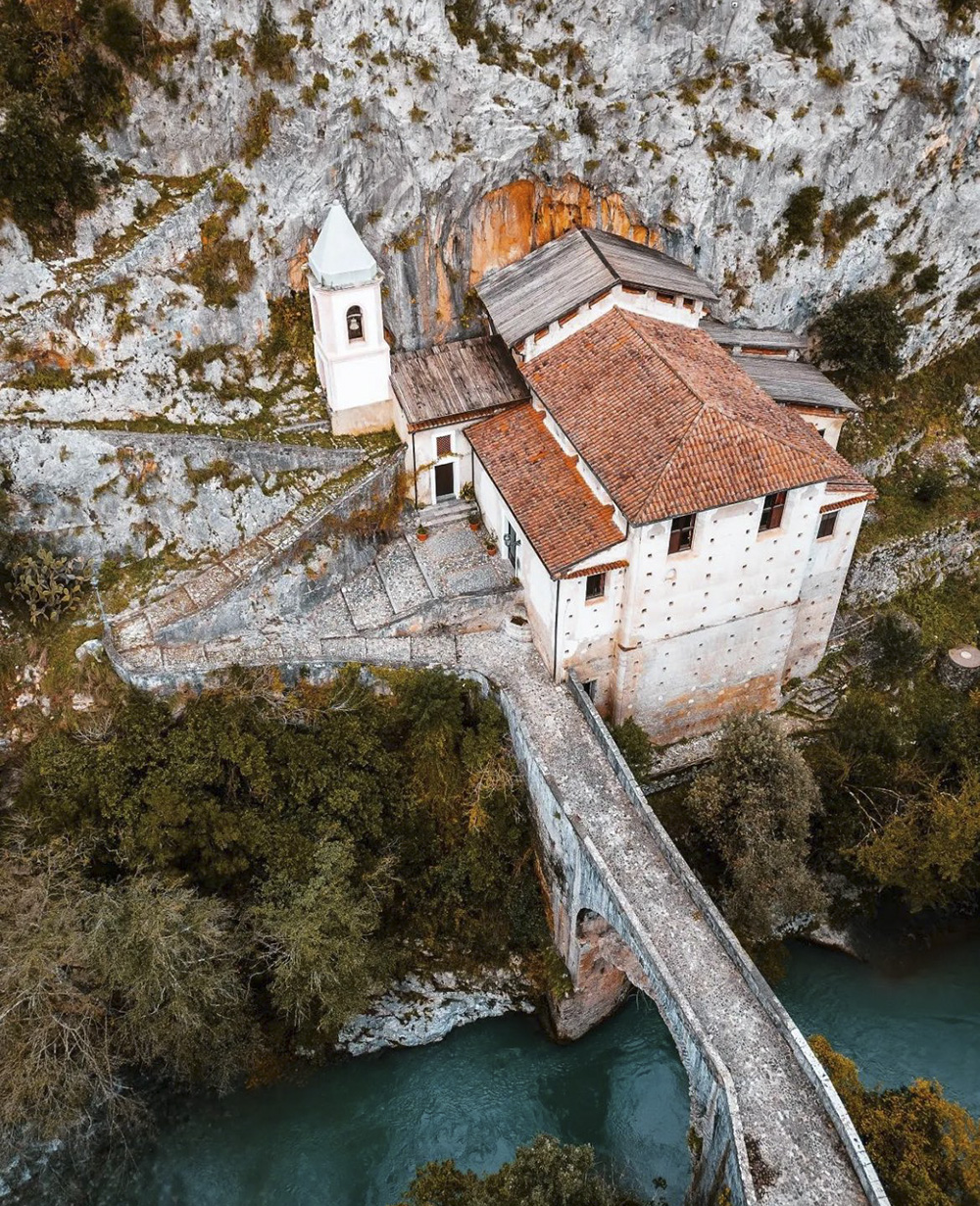
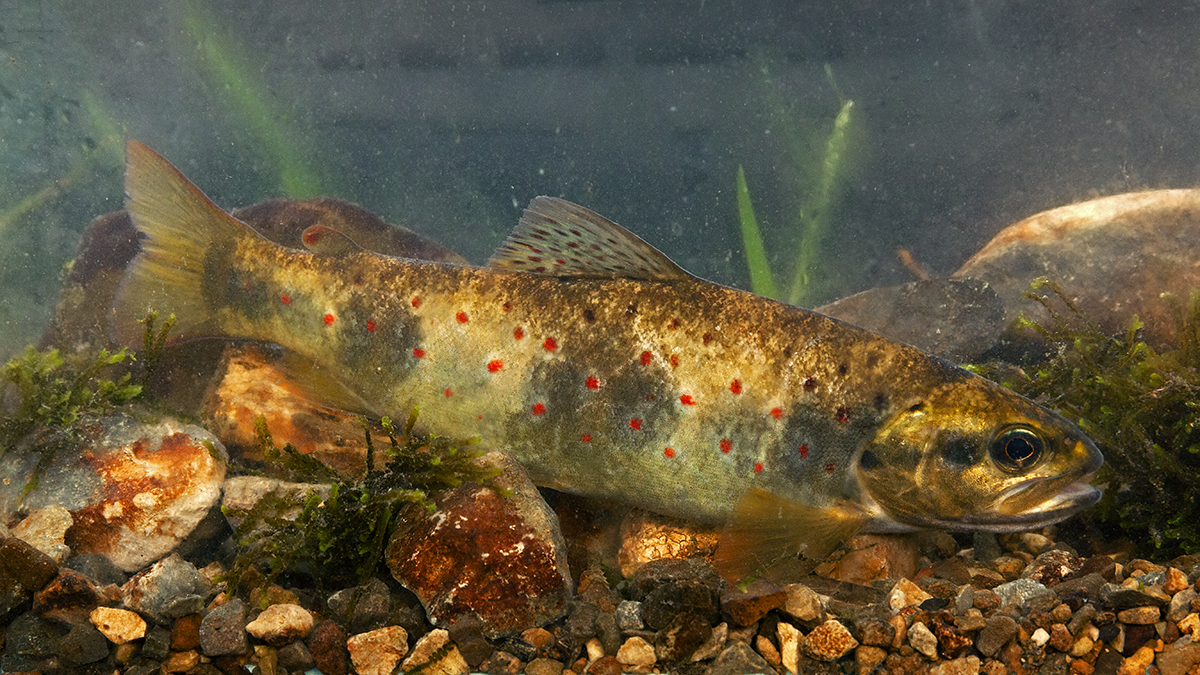
The Antonella Project takes inspiration from Saint Francis of Paola’s celebrated miracle of reviving a trout, using this story as an ethical and territorial metaphor for regeneration. In this spirit, the course invites participants to reflect on “the created world” as a shared responsibility and to develop sustainable, conservation-oriented actions that support repopulation through the safeguarding and re-activation of historic, architectural, and natural heritage.
Program overview
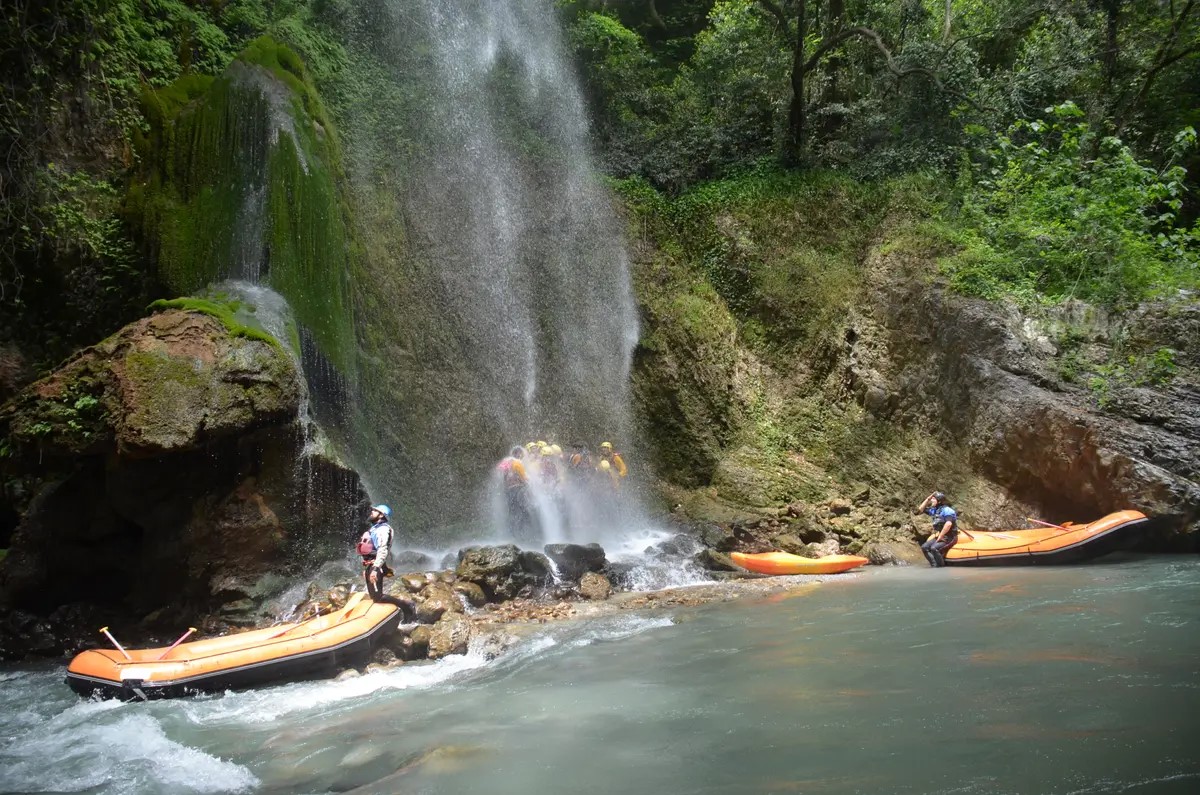
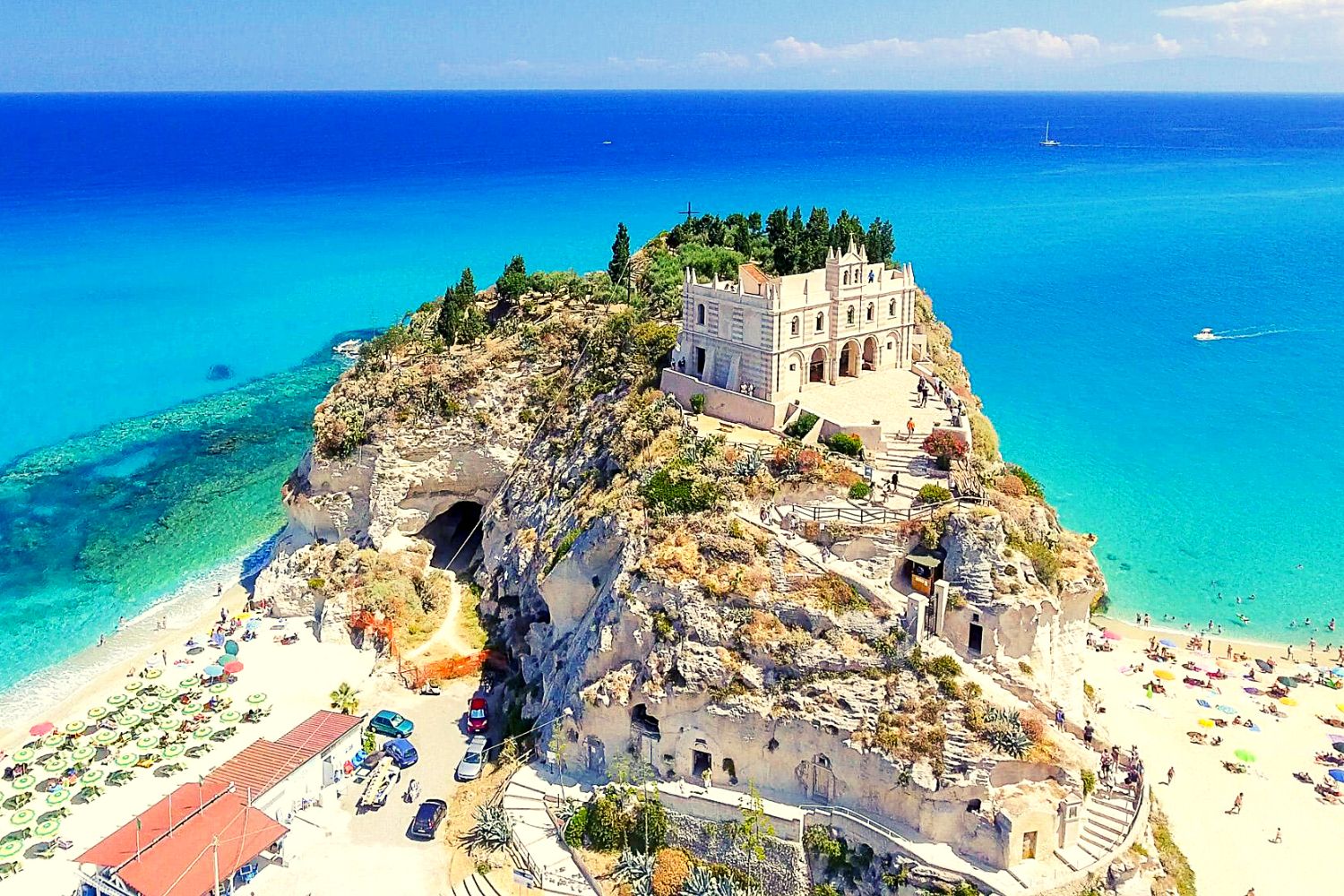
Over four weeks, students move between three integrated learning tracks: (1) a Restoration Lab focused on materials, diagnosis, conservation methods, and small-scale interventions; (2) an Eco-Regional Design Lab developing proposals for territorial regeneration and watershed-based planning; and (3) Italian language and cultural immersion. The calendar includes guest lectures and an intensive workshop on photography/landscape/architecture, community meetings with local stakeholders, and curated field trips (Naples, Paestum, Padula, Pollino National Park, the Lao River, and the Tyrrhenian coast villages such as Pizzo and Tropea). The program culminates in a public exhibition and final presentations of student projects.
Program description
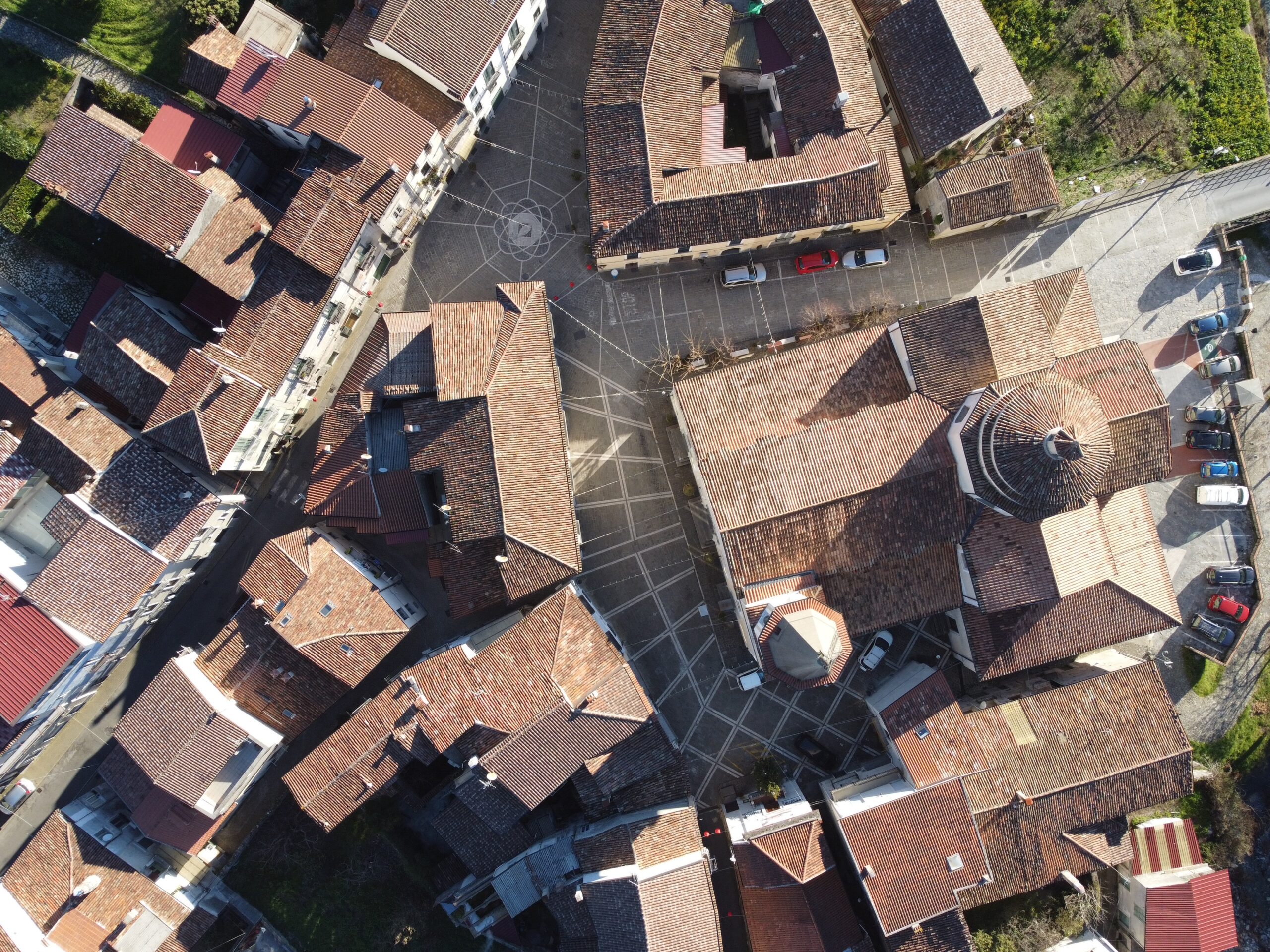
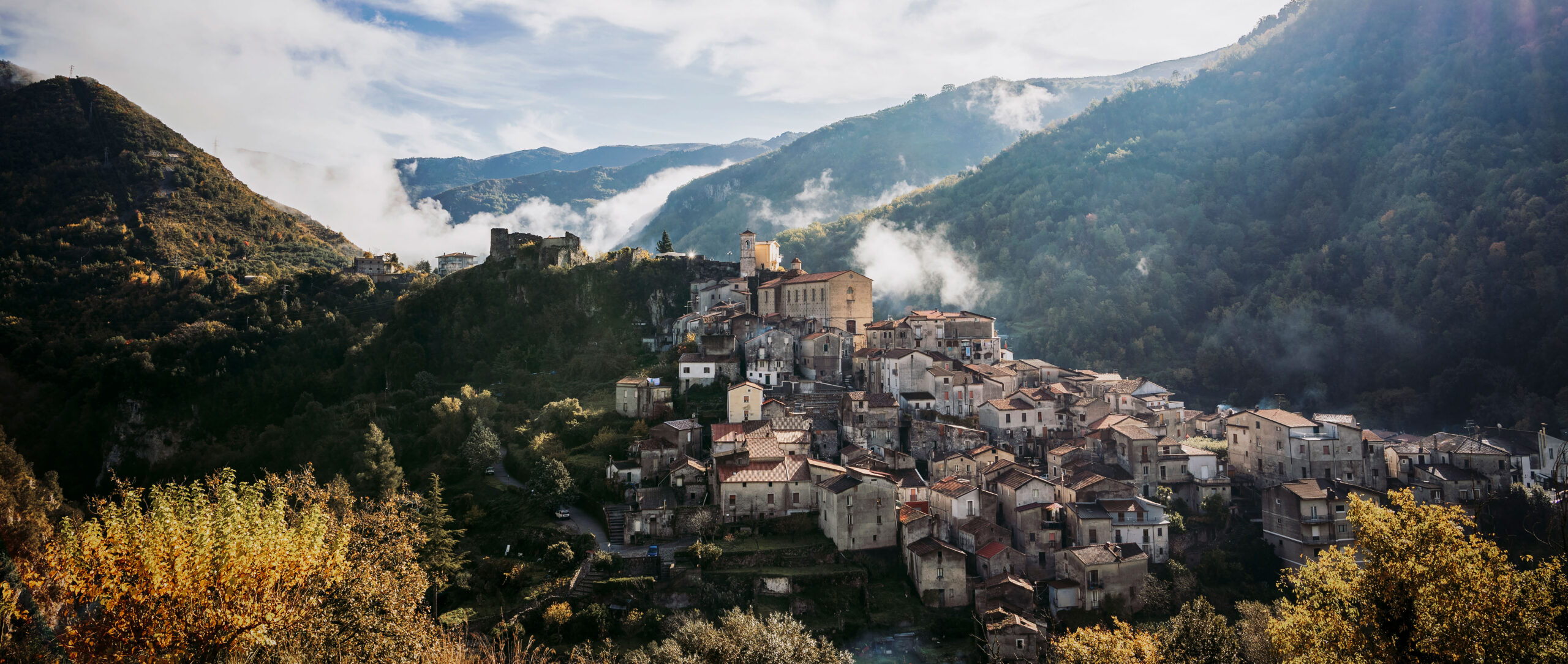
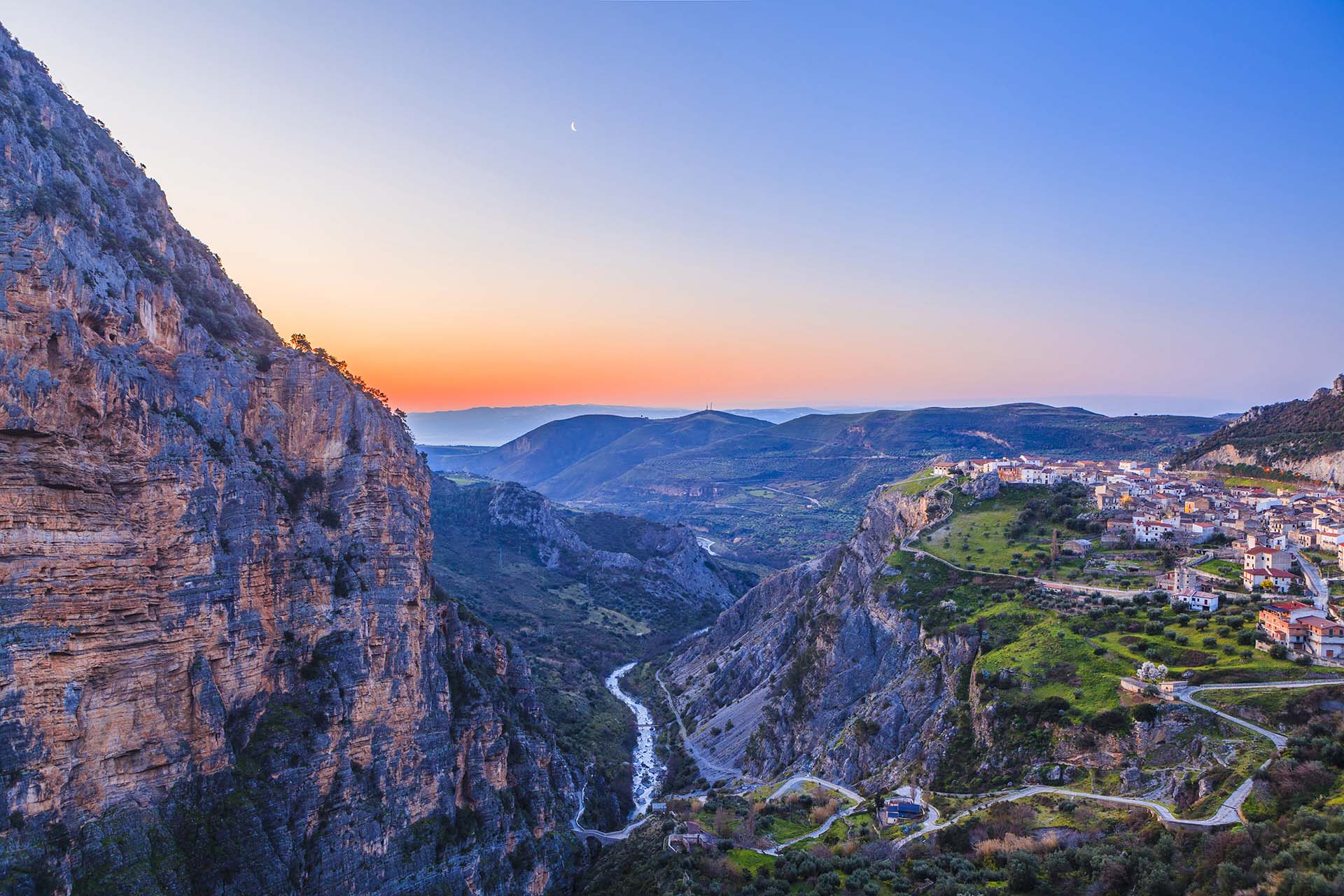
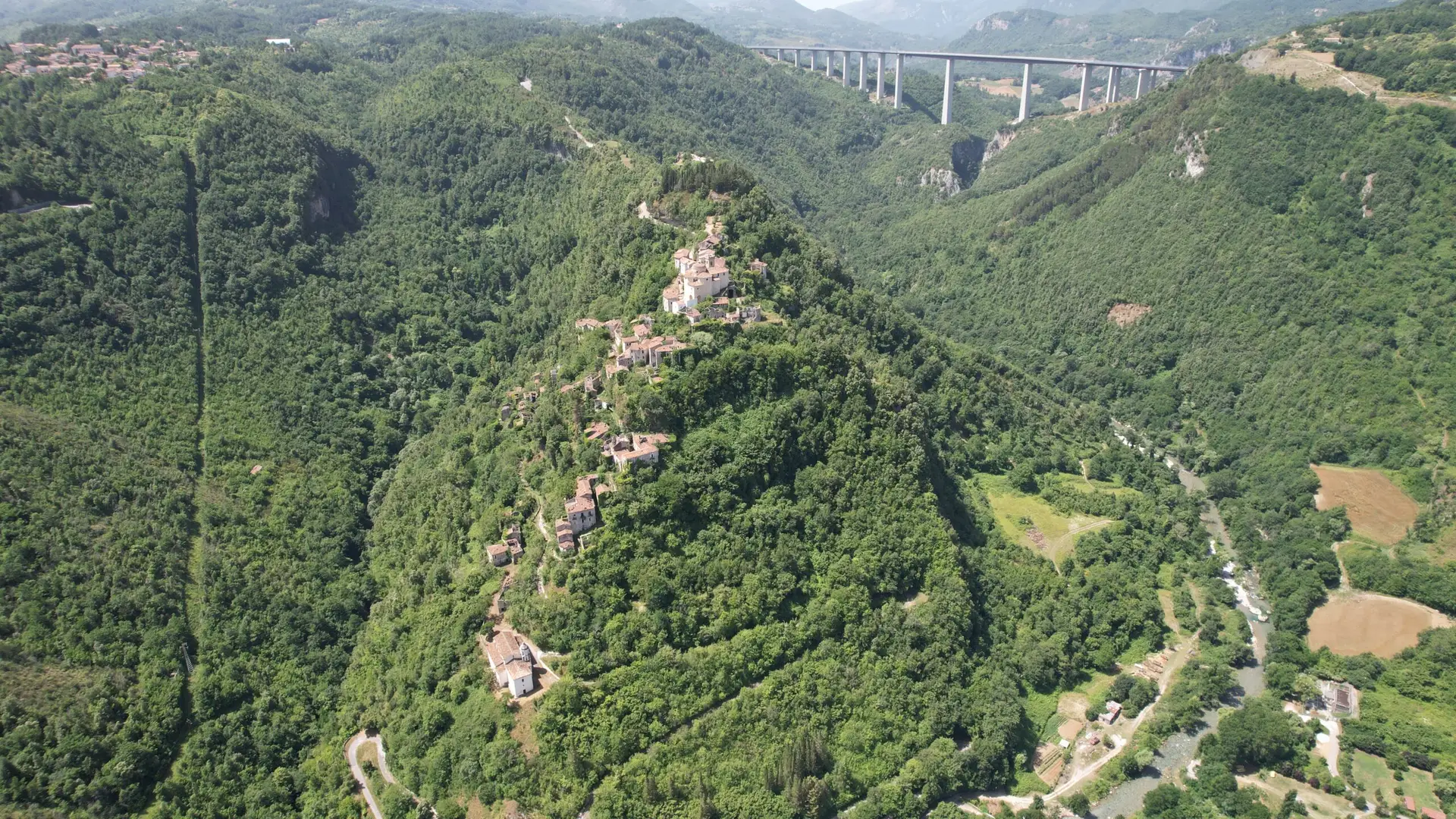
The Antonella Project is a four-week intensive summer program based in Laino Castello (Calabria), designed as a living laboratory for Eco-Regional design and architectural restoration within the Lao River watersheds. Through hands-on restoration training, field documentation, and design studio work, participants investigate how rural heritage—buildings, landscapes, and communities—can be conserved and re-activated in response to ecological risk, climate change, and depopulation. The program combines site-based learning in Pollino National Park with guided visits to key cultural landscapes in Southern Italy, fostering a practice that integrates sustainability, resilience, and stewardship of place. All included meals are grounded in the Mediterranean diet and are designed as place-based learning experiences, featuring seasonal local products and curated “slow food” tastings.
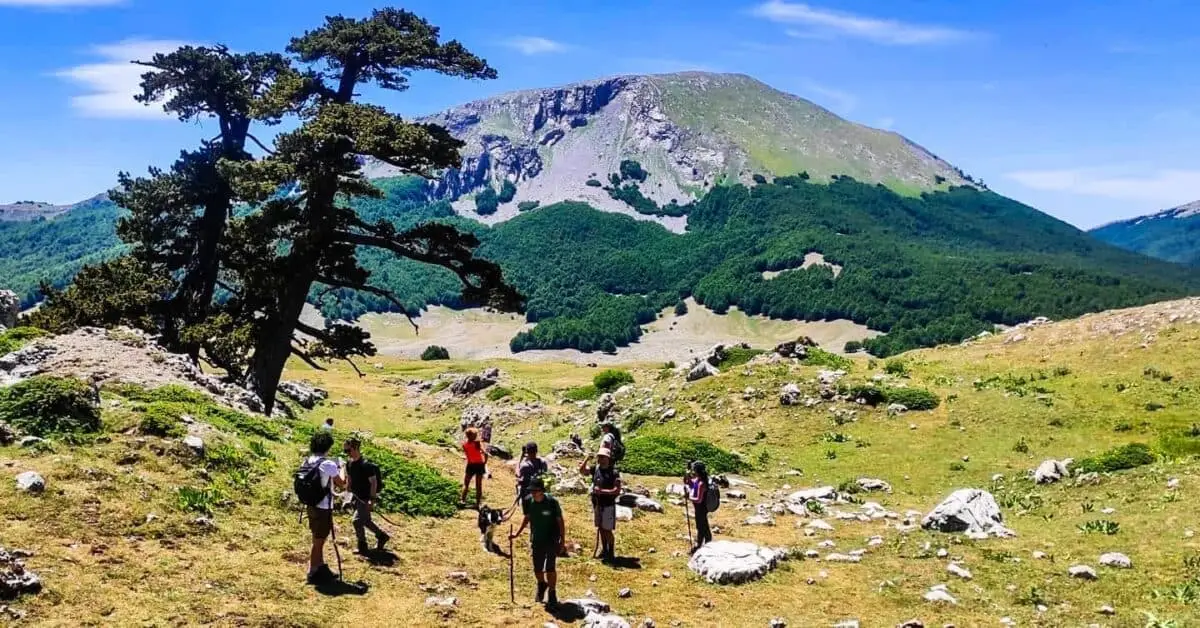
NOTE: This program will entail a considerable amount of walking in natural, rural and urban environments and is not recommended for anyone who is uncomfortable near rivers, wooded areas or is afraid of heights. Please be prepared and bring with you hiking boots or hiking shoes to wear while walking along hiking trails in the Pollino National Park. In addition, please remember to bring with you other kinds of shoes to wear while in the classroom and visiting the city.