slow food philosophy
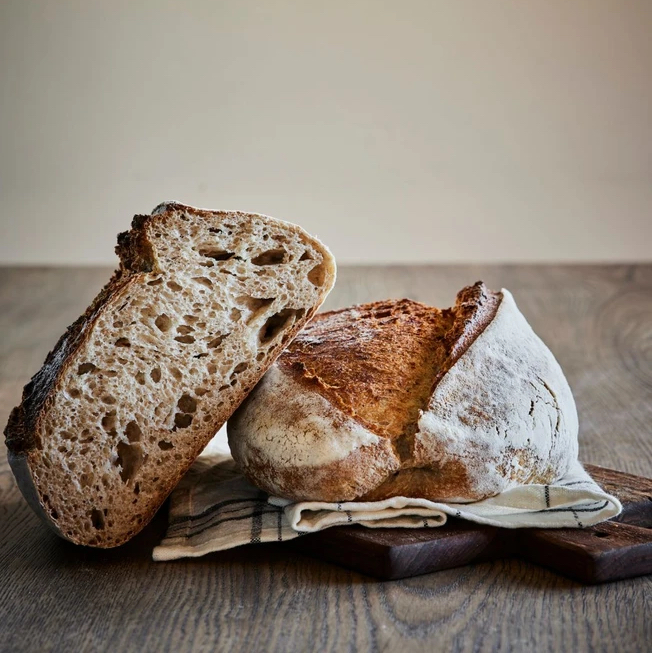
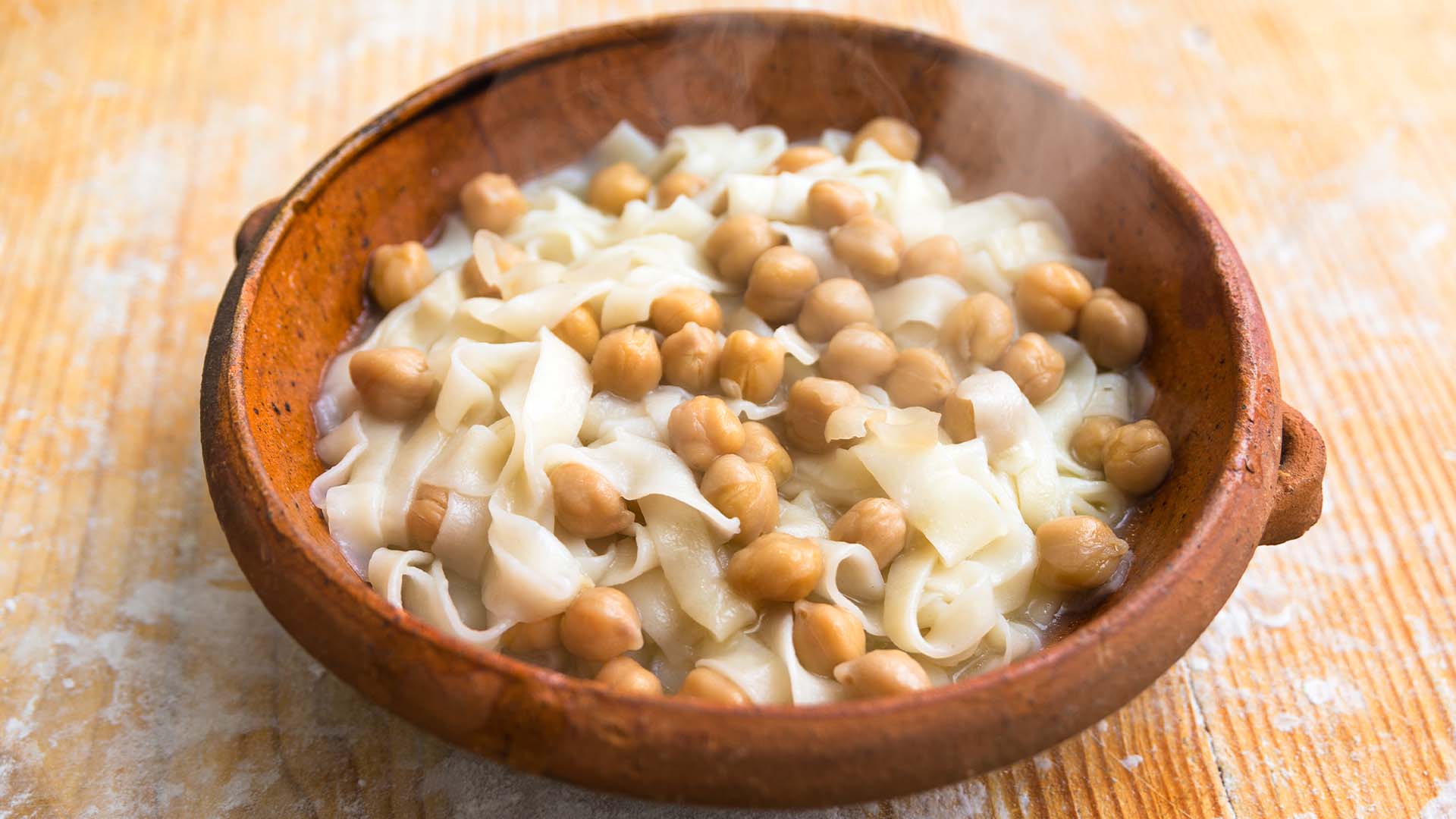
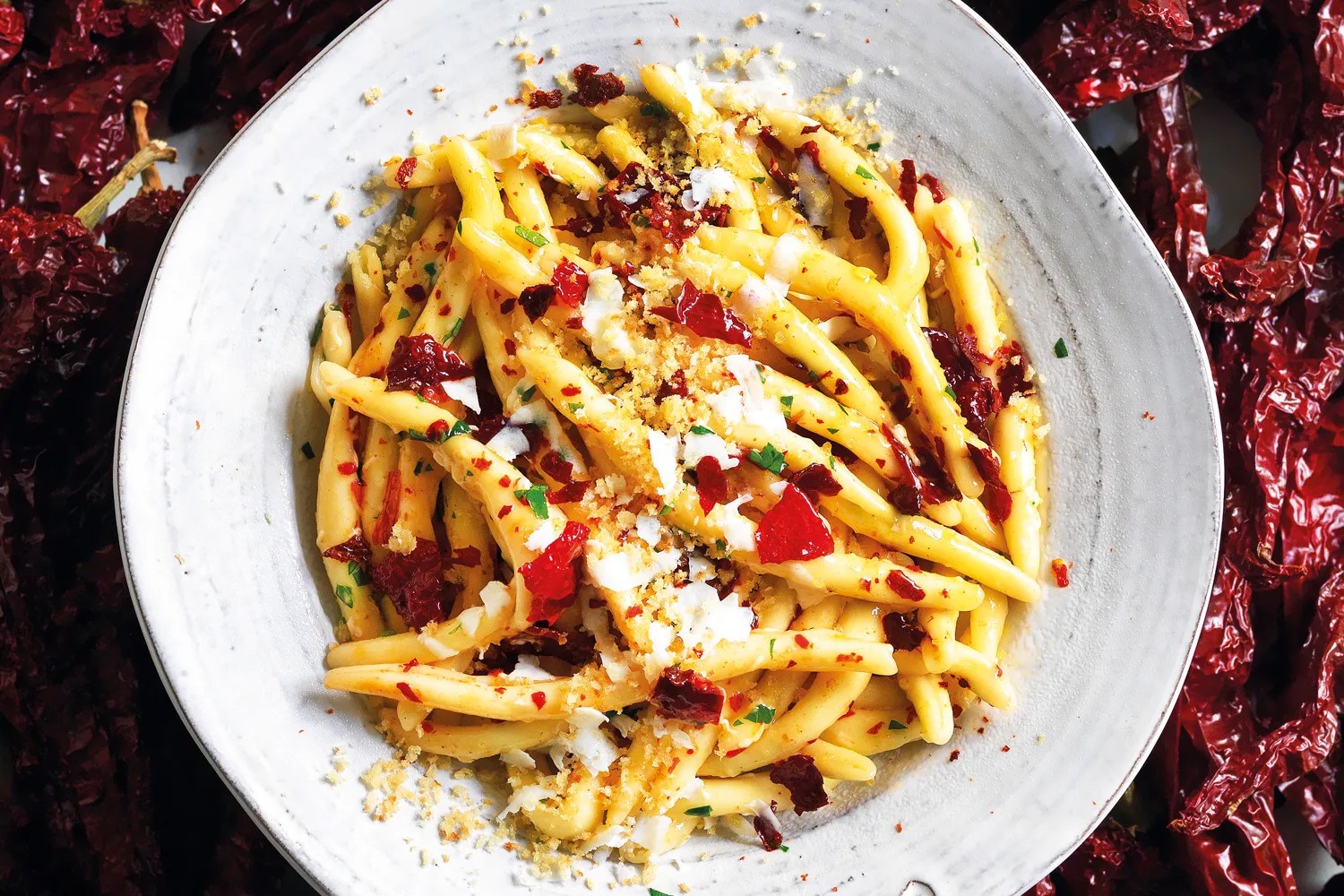
Across Rural Futures study-abroad programs and summer schools, meals are conceived as an integral component of our field-based pedagogy rather than as an ancillary service. In keeping with the aims of Rural Futures courses include curated Slow Food experiences and tastings of regional dishes grounded in the Mediterranean diet.
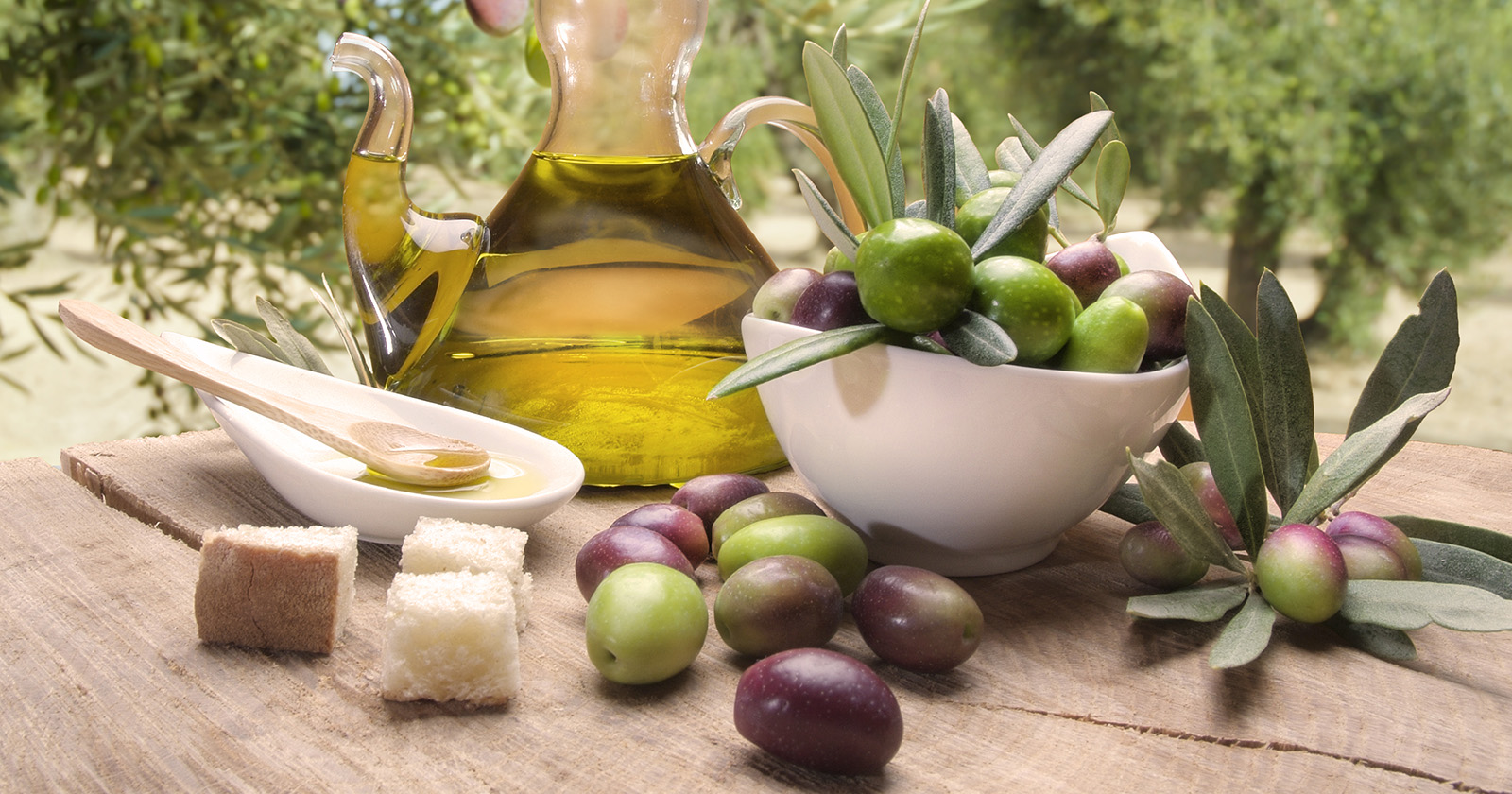
This choice reflects a precise cultural and methodological position. Foodways are an interpretive lens through which students can read rural–urban relationships, land-use patterns, and the material infrastructures of cultivation (terraces, irrigation, orchards, vineyards, olive groves, and local markets). UNESCO describes the Mediterranean diet not only as a nutritional pattern, but as a system of “skills, knowledge, rituals, symbols and traditions” that connects crops, harvesting, processing, cooking, and—critically—shared consumption as social practice. Likewise, the Slow Food movement, born in Italy in the late 1980s, frames gastronomy as a domain of cultural stewardship and biodiversity protection, foregrounding locality, seasonality, and responsible production.
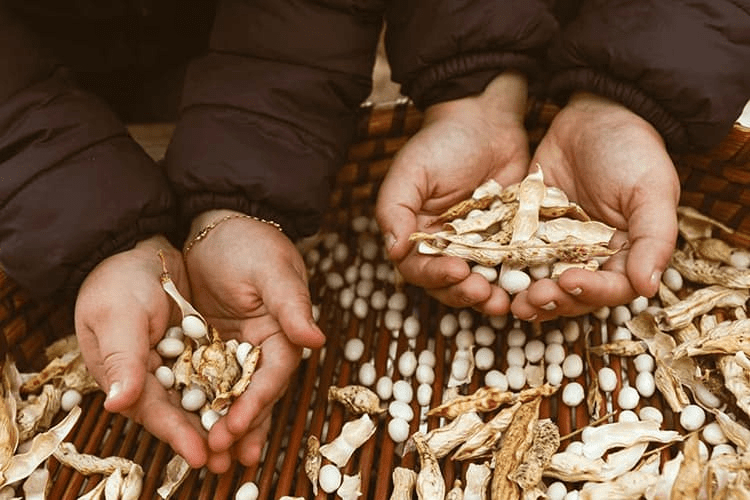
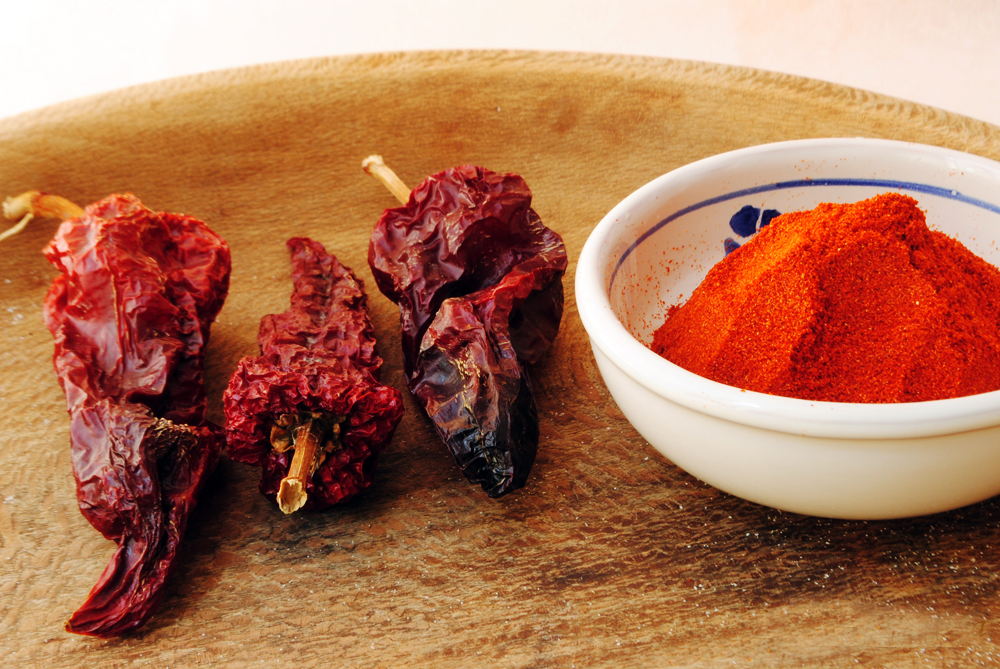
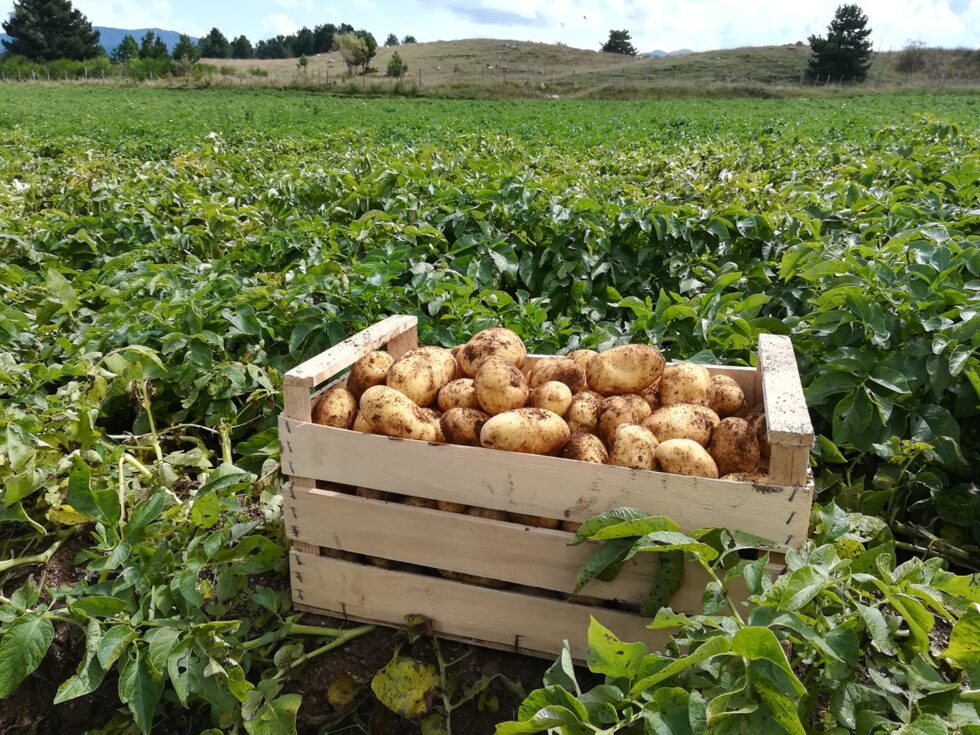
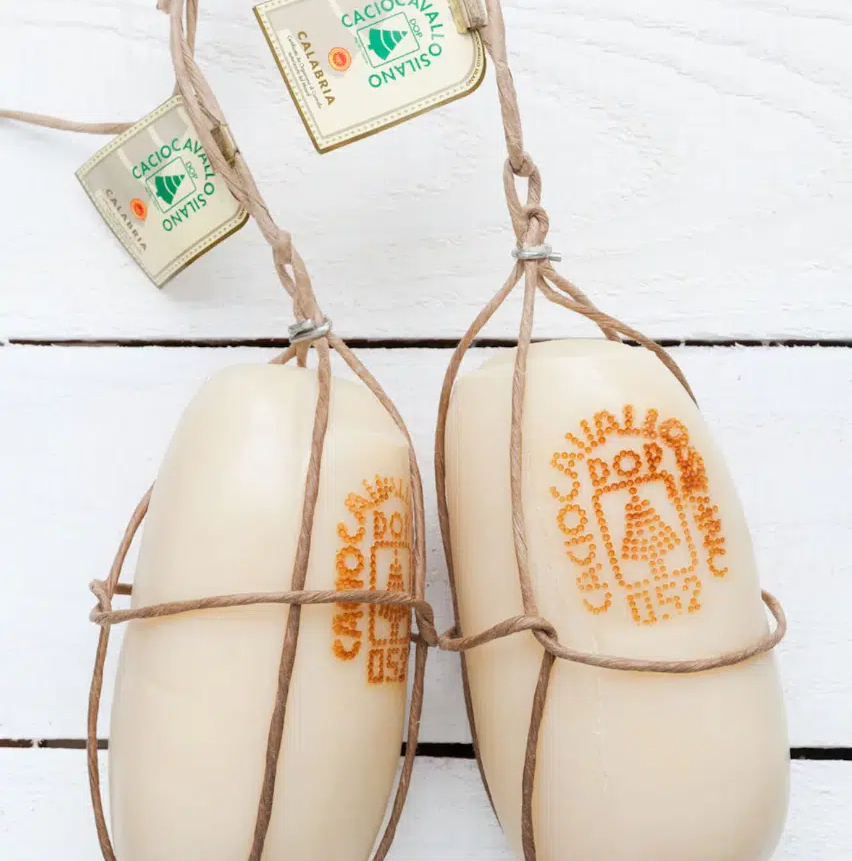
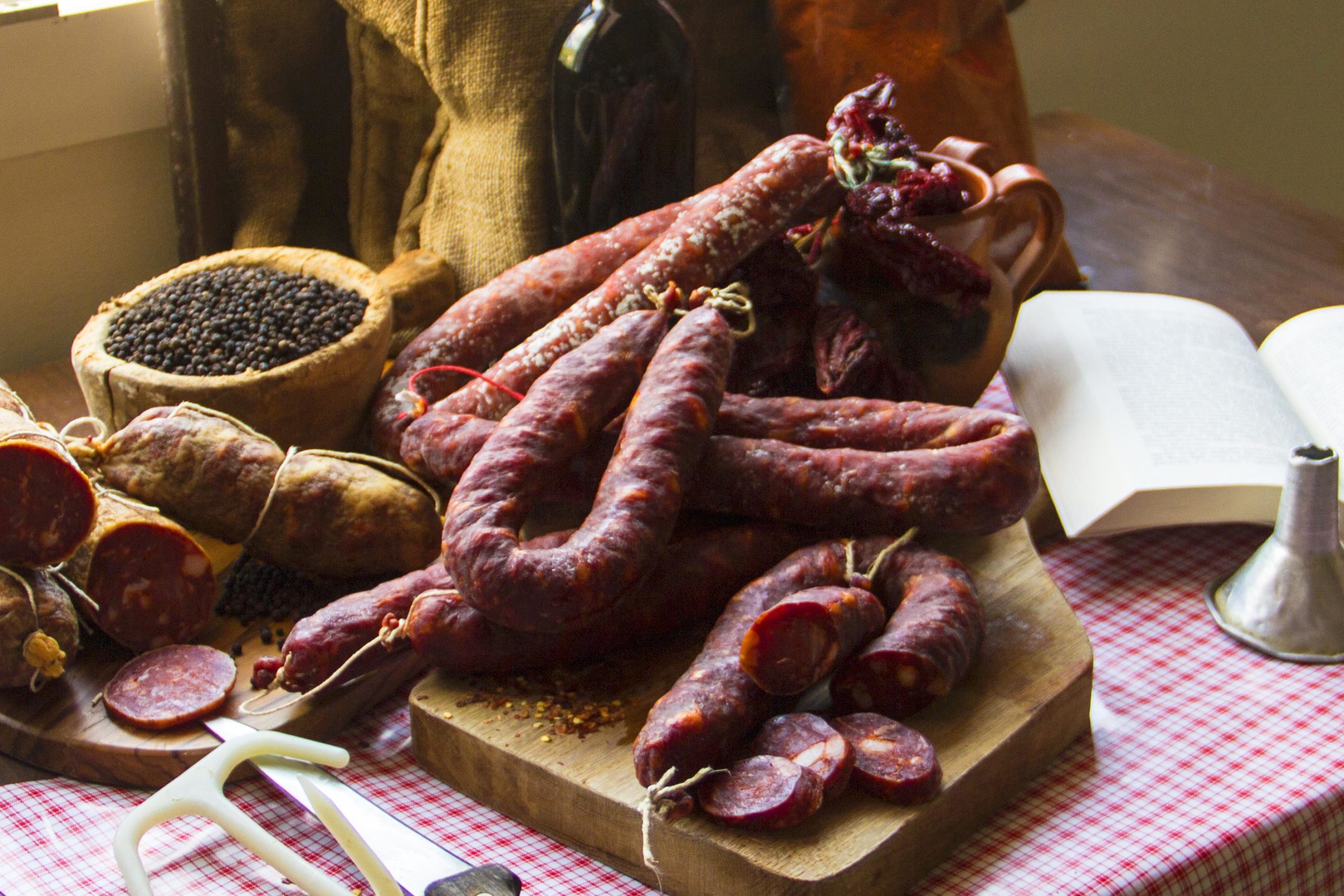
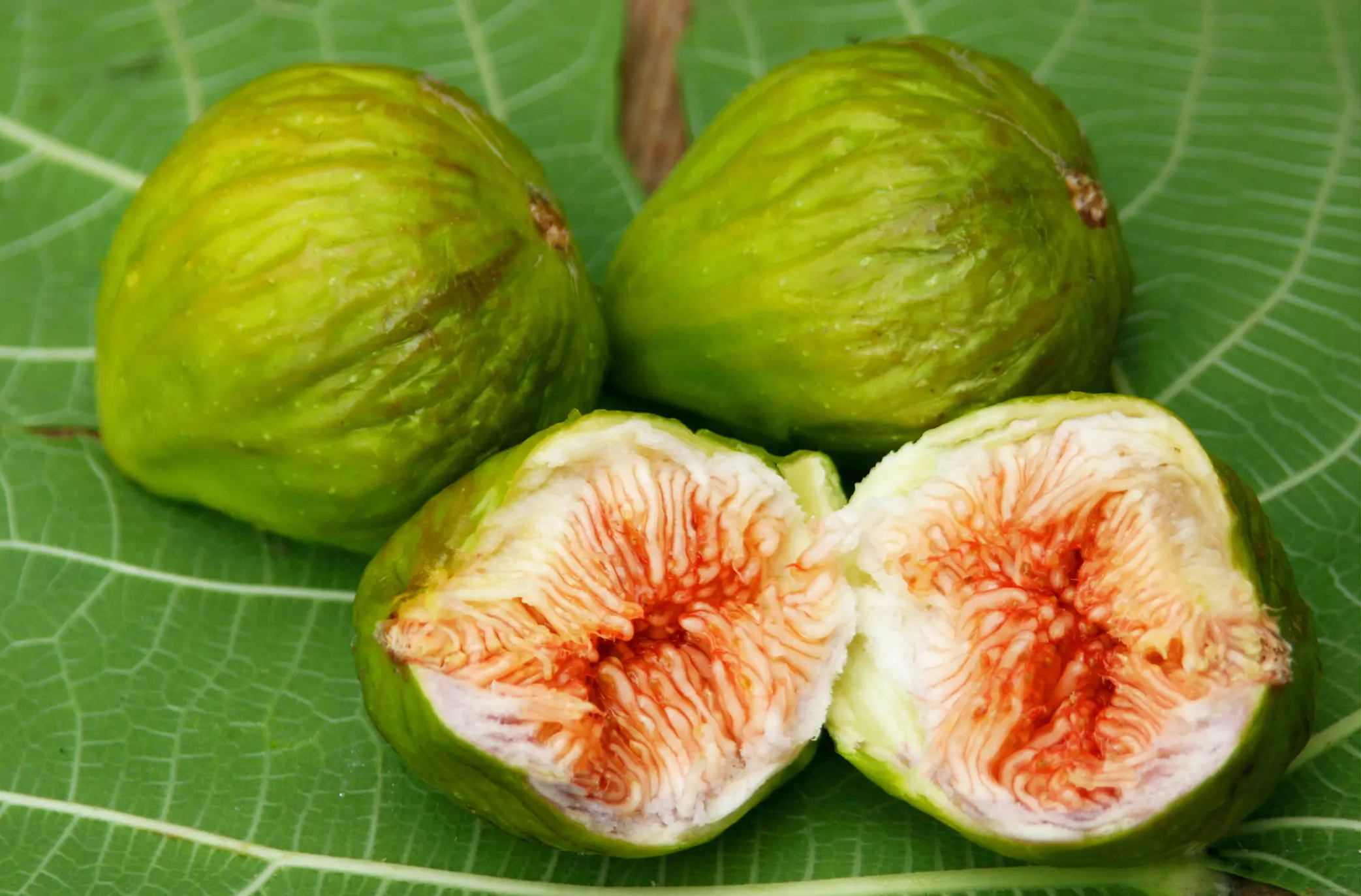
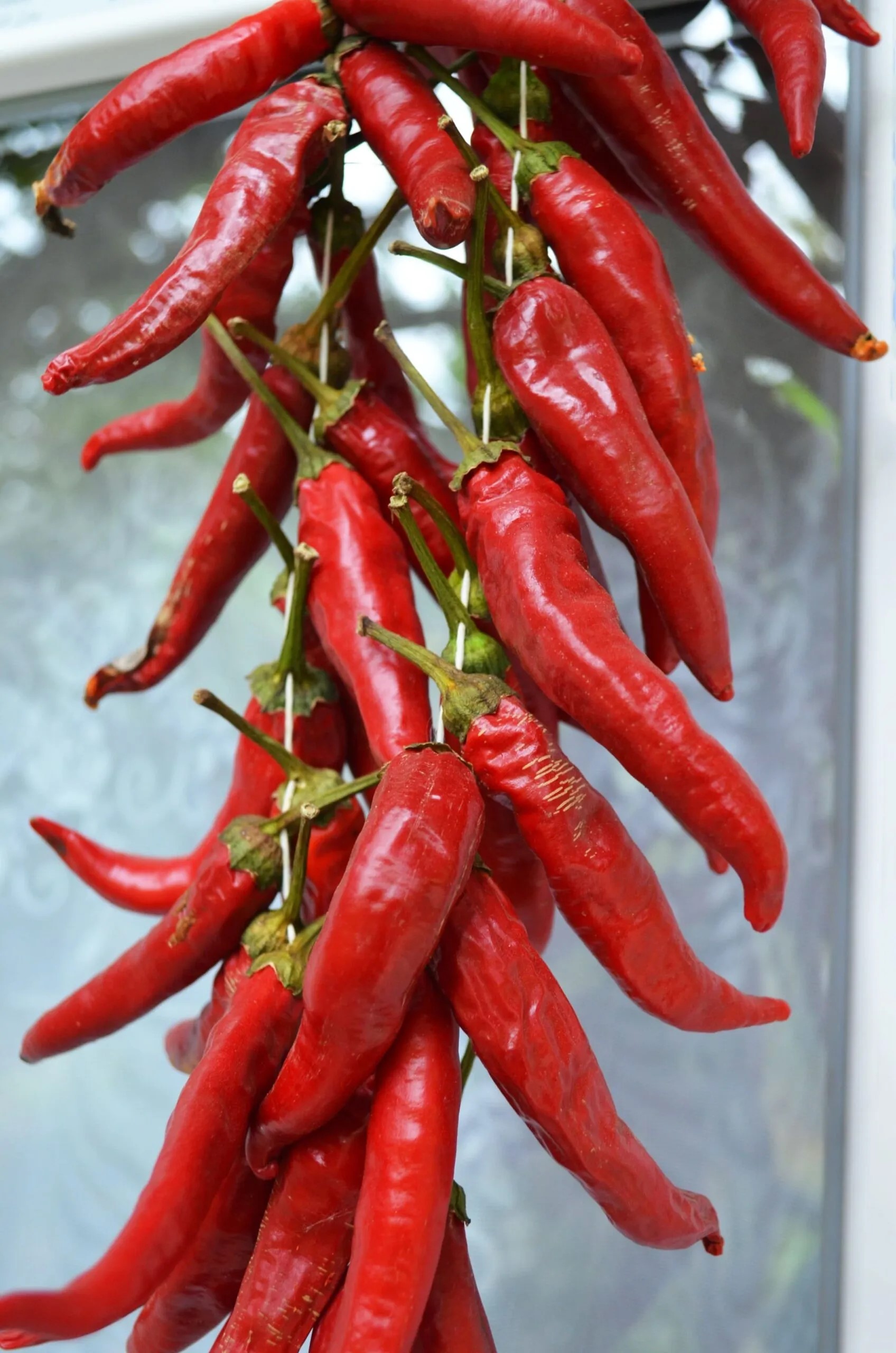
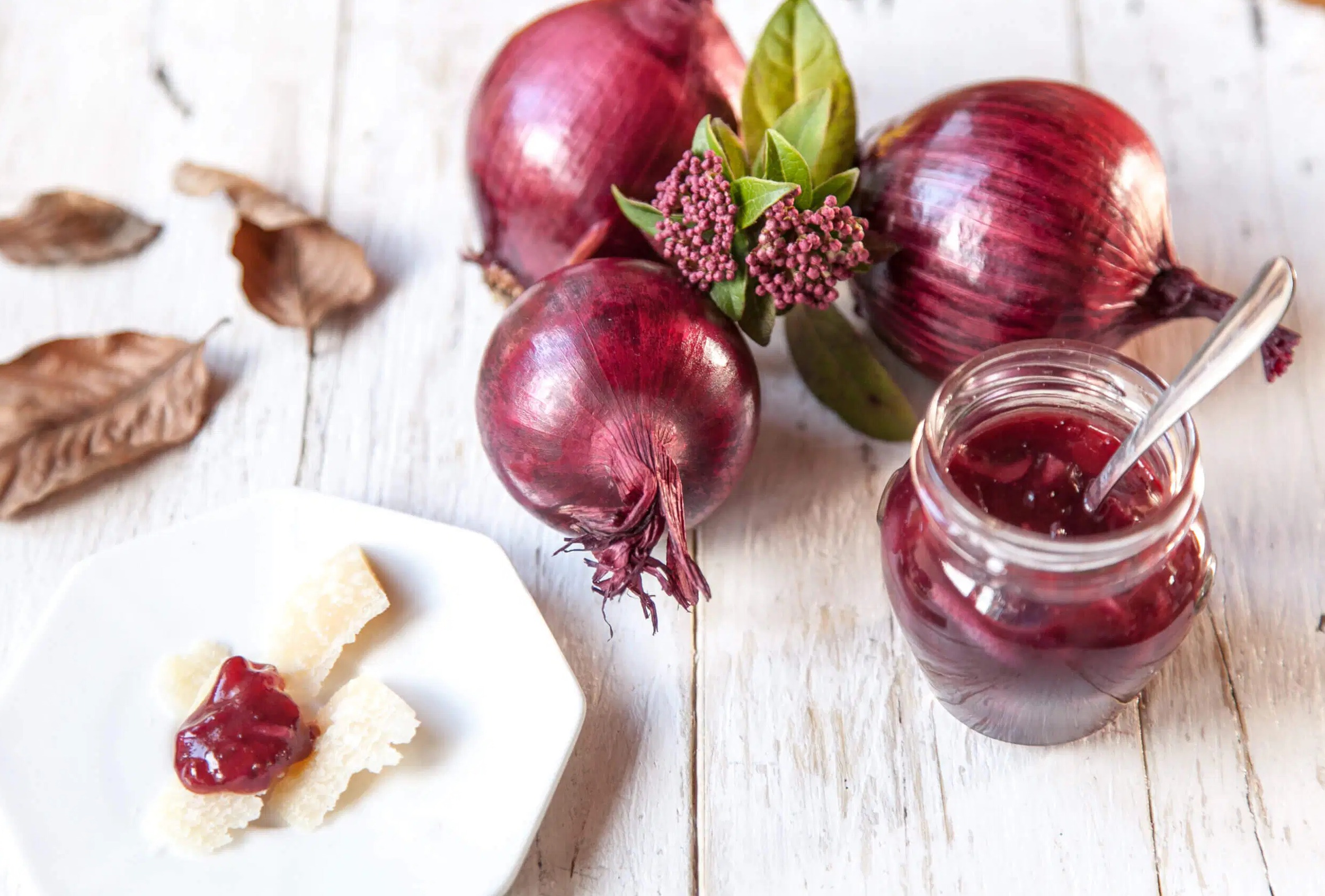
In practical terms, program meals are designed as place-based learning moments: participants encounter seasonal ingredients, regional recipes, and locally embedded production cultures that illuminate how landscapes are maintained, valued, and transmitted across generations. This culinary dimension reinforces our broader educational agenda—an “integral ecology” of design and conservation—by linking environmental care, heritage enhancement, and everyday practices of inhabitation. Where relevant, tastings are paired with field discussions so that students can connect what they eat to the territories they study, and to sustainable strategies for conserving and revitalizing rural environments.
Experiences in the Pollino National Park: Traditional Food, Mediterranean Diet, and Place-Based Learning
In programs delivered within and around Pollino National Park, the Slow Food dimension becomes a direct extension of fieldwork on biodiversity, rural livelihoods, and landscape stewardship. Meals and tastings are curated to foreground the park’s agro-silvo-pastoral cultures and seasonal ecologies—linking what is observed in the field (high-altitude forests, river corridors, terraced plots, and Mediterranean scrub) to the everyday practices that sustain these environments. Particular attention is given to local plant communities and emblematic mountain ecologies, as well as to the food traditions that reflect altitude, climate, and accessibility. Through encounters with small producers and regional preparations, participants are encouraged to interpret gastronomy as a form of cultural infrastructure: a pathway through which territories are maintained, narrated, and made resilient. In this way, Slow Food experiences in the Pollino area function as guided, place-based seminars on conservation, valorization, and sustainable repopulation strategies grounded in both heritage and living practices.


