Laino Restoration_LAB is based in the small village of Laino Castello, situated within a territory of extraordinary beauty along the Lao River, in a landscape, historical, and cultural setting of great significance. Located in Southern Italy, Laino Castello lies in northwestern Calabria near the regional border with Basilicata, at the heart of Pollino National Park. Its strategic position—just minutes from the A2 Autostrada del Mediterraneo, roughly half an hour from the sea and from the highest peaks of the Pollino Massif— with a mild weather in both winter and summer, makes it a destination for travelers seeking slow, experiential tourism in close contact with nature.
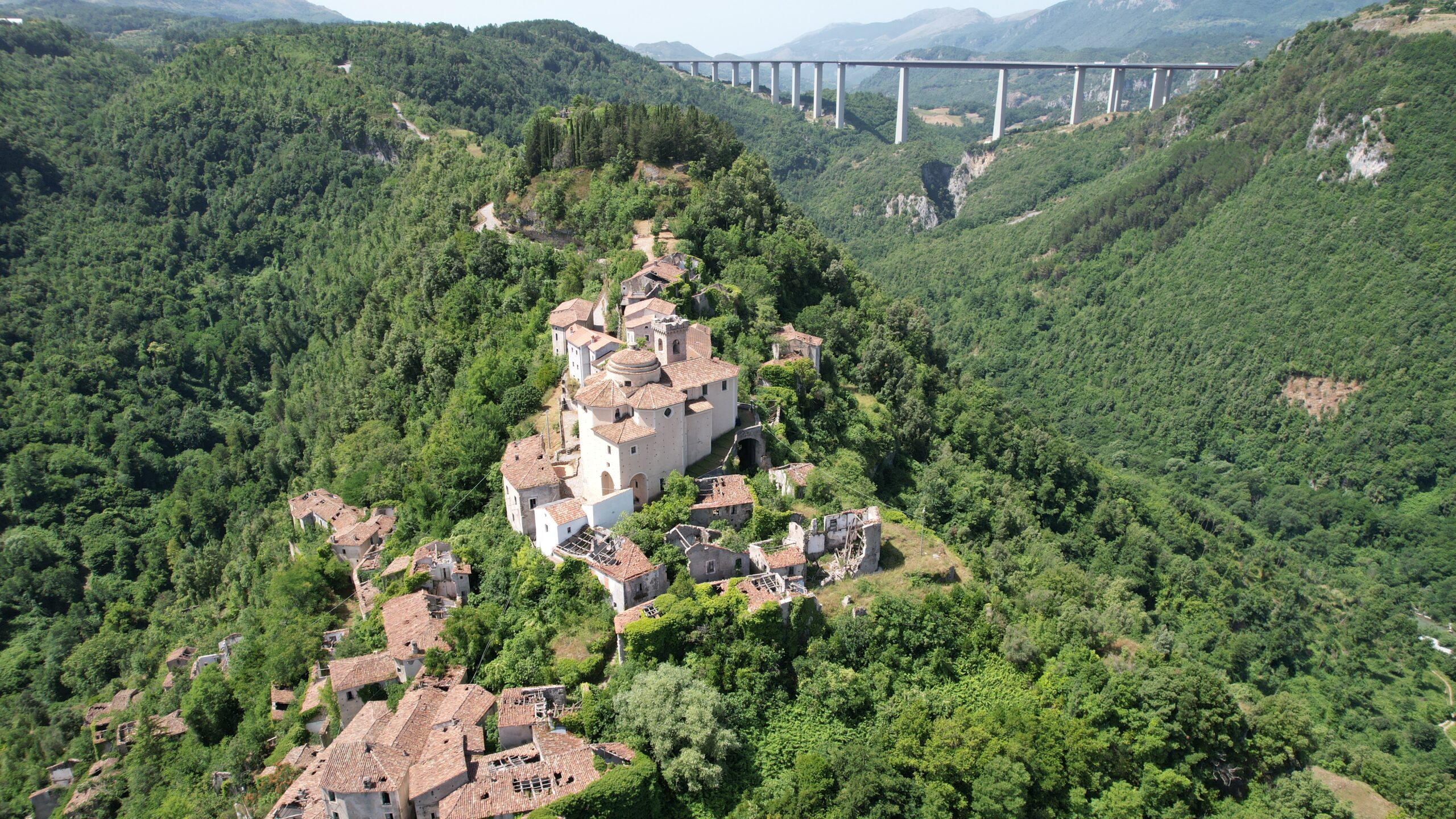
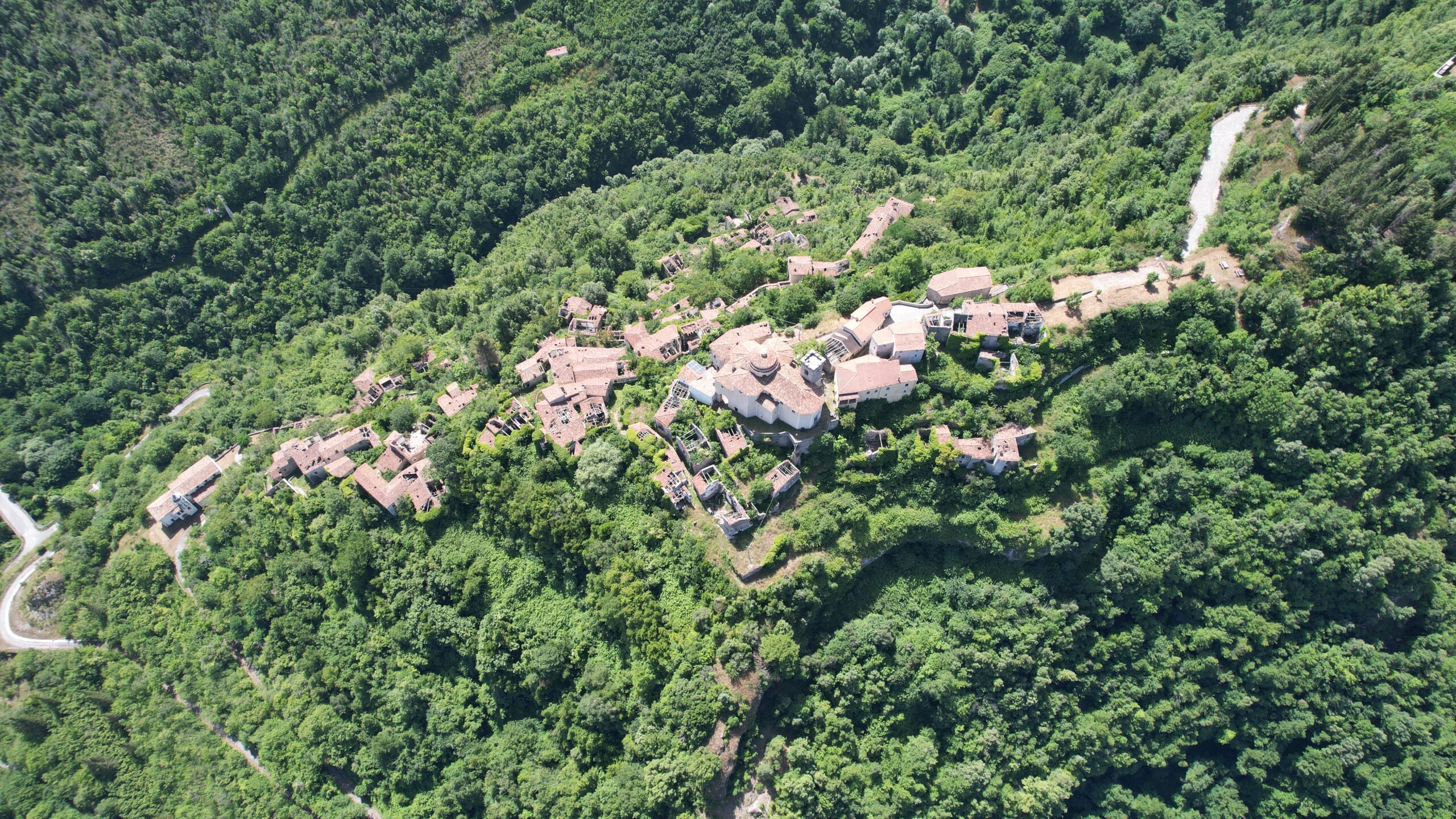
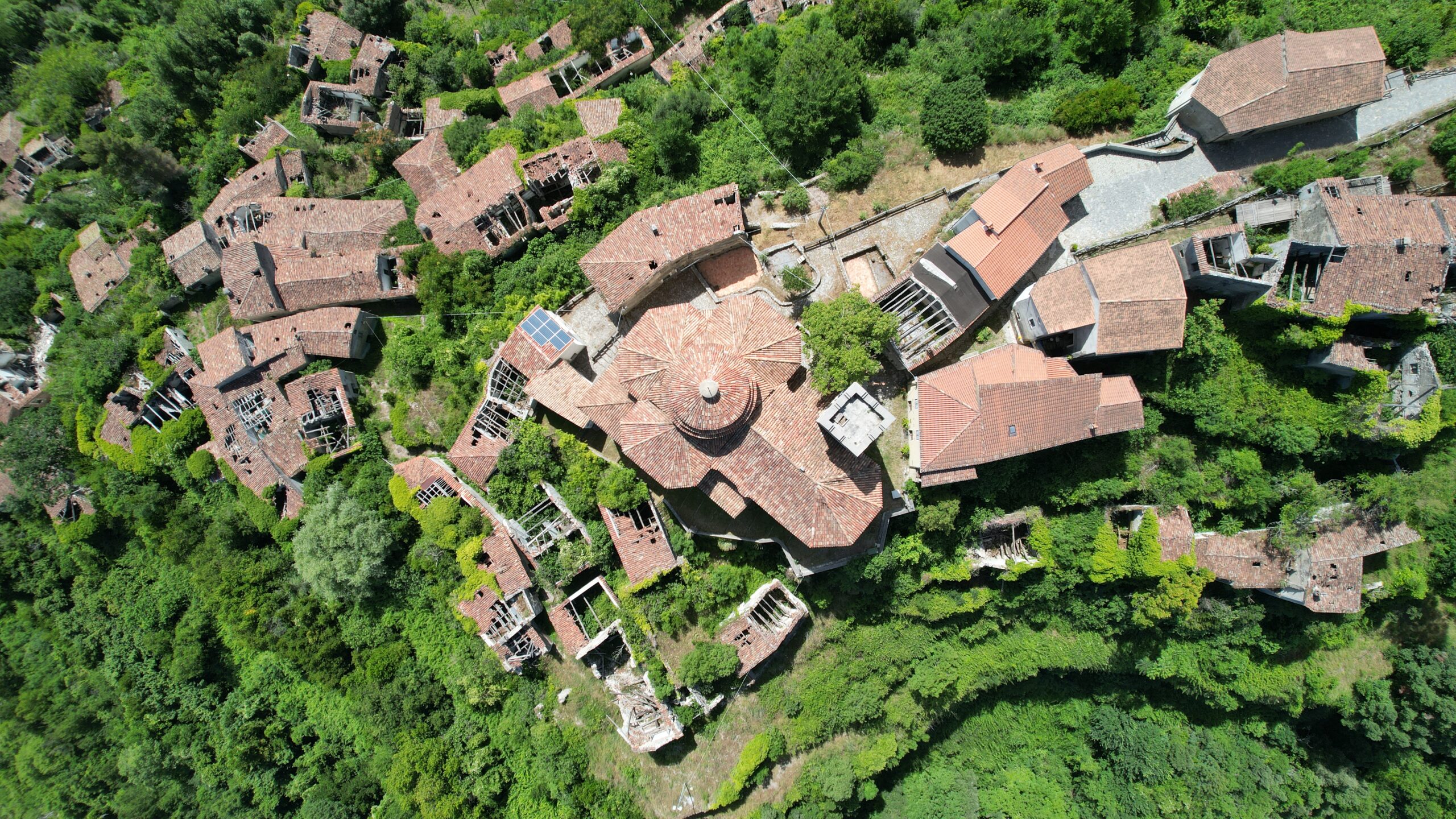
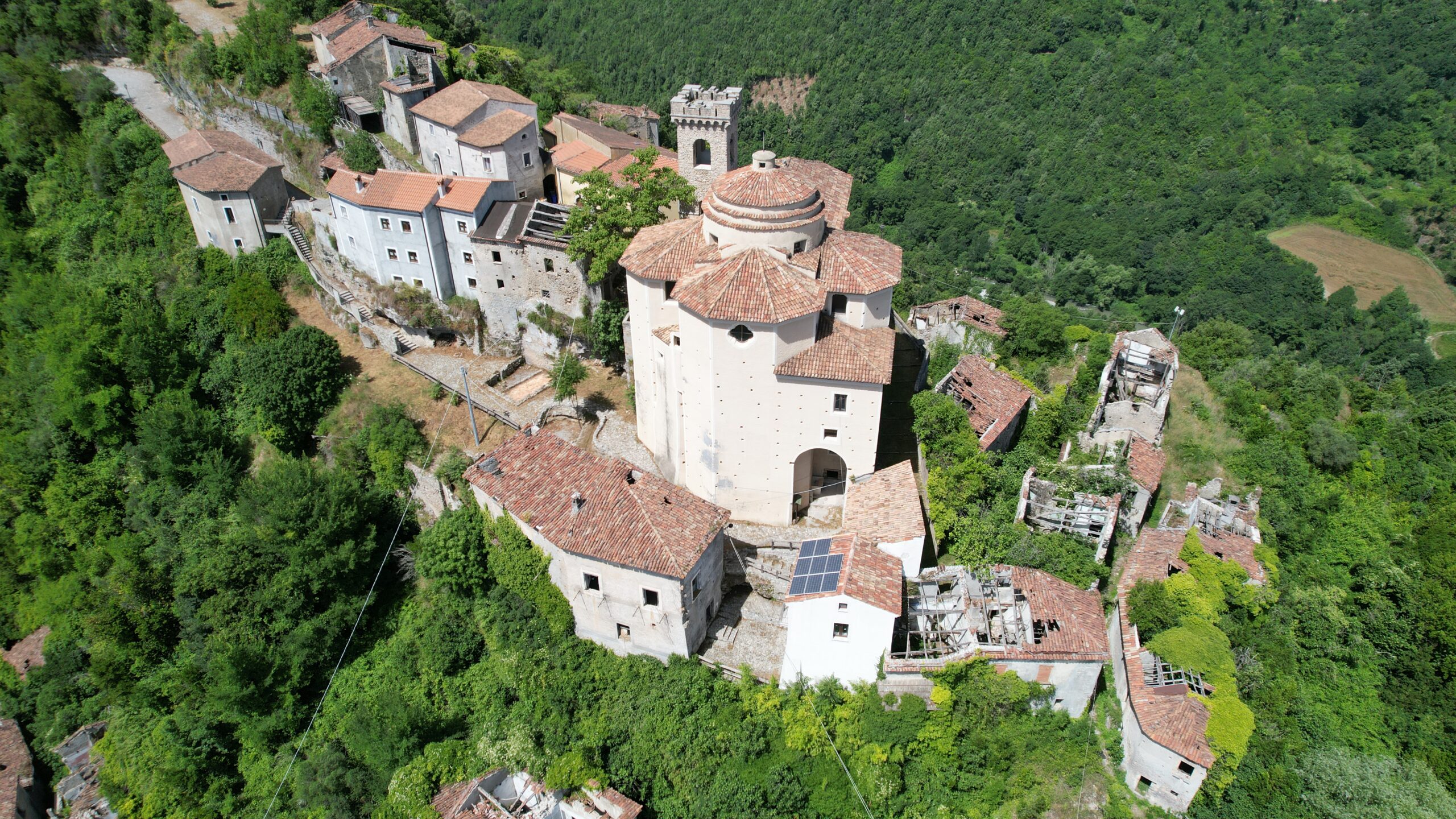
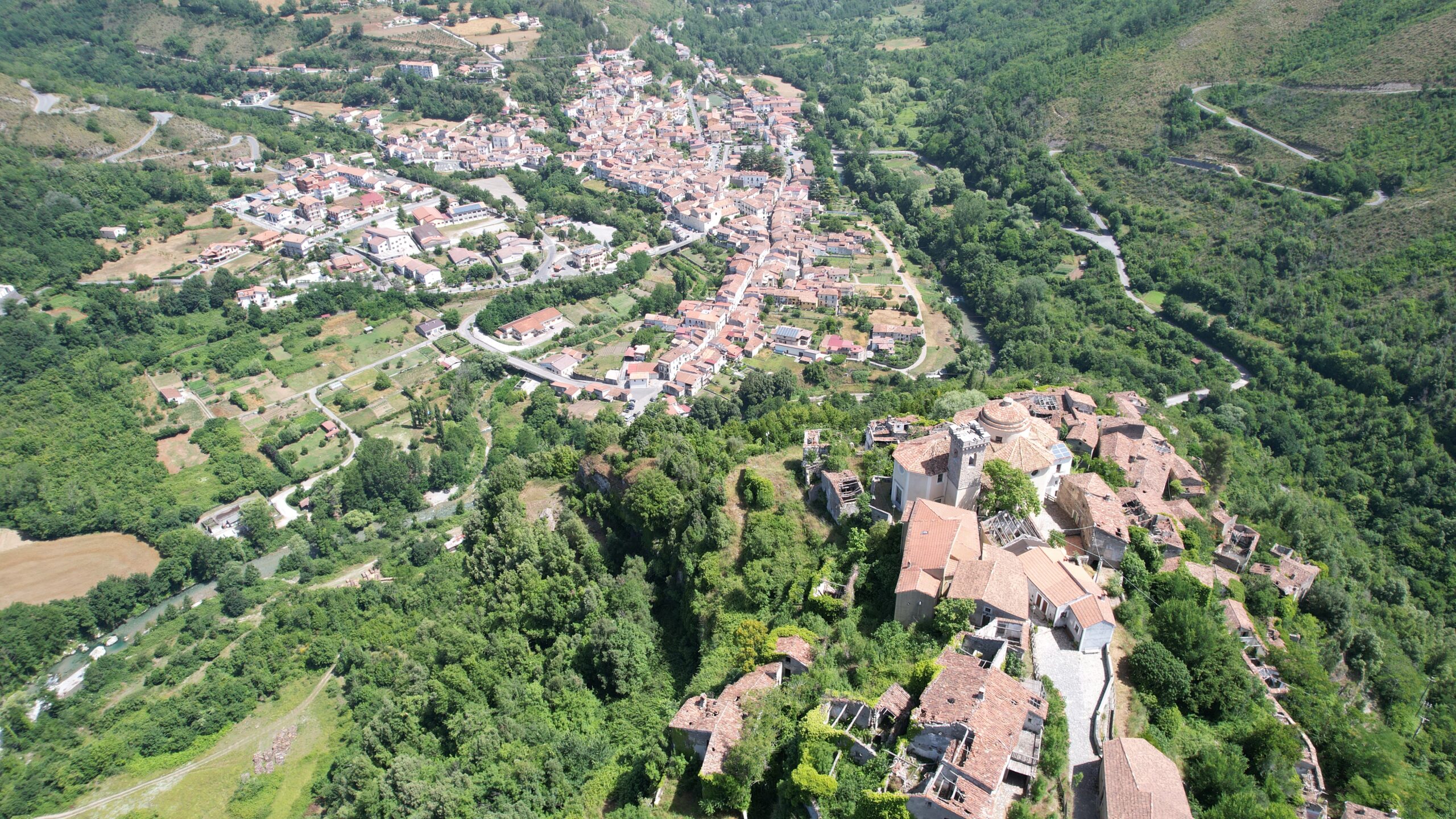
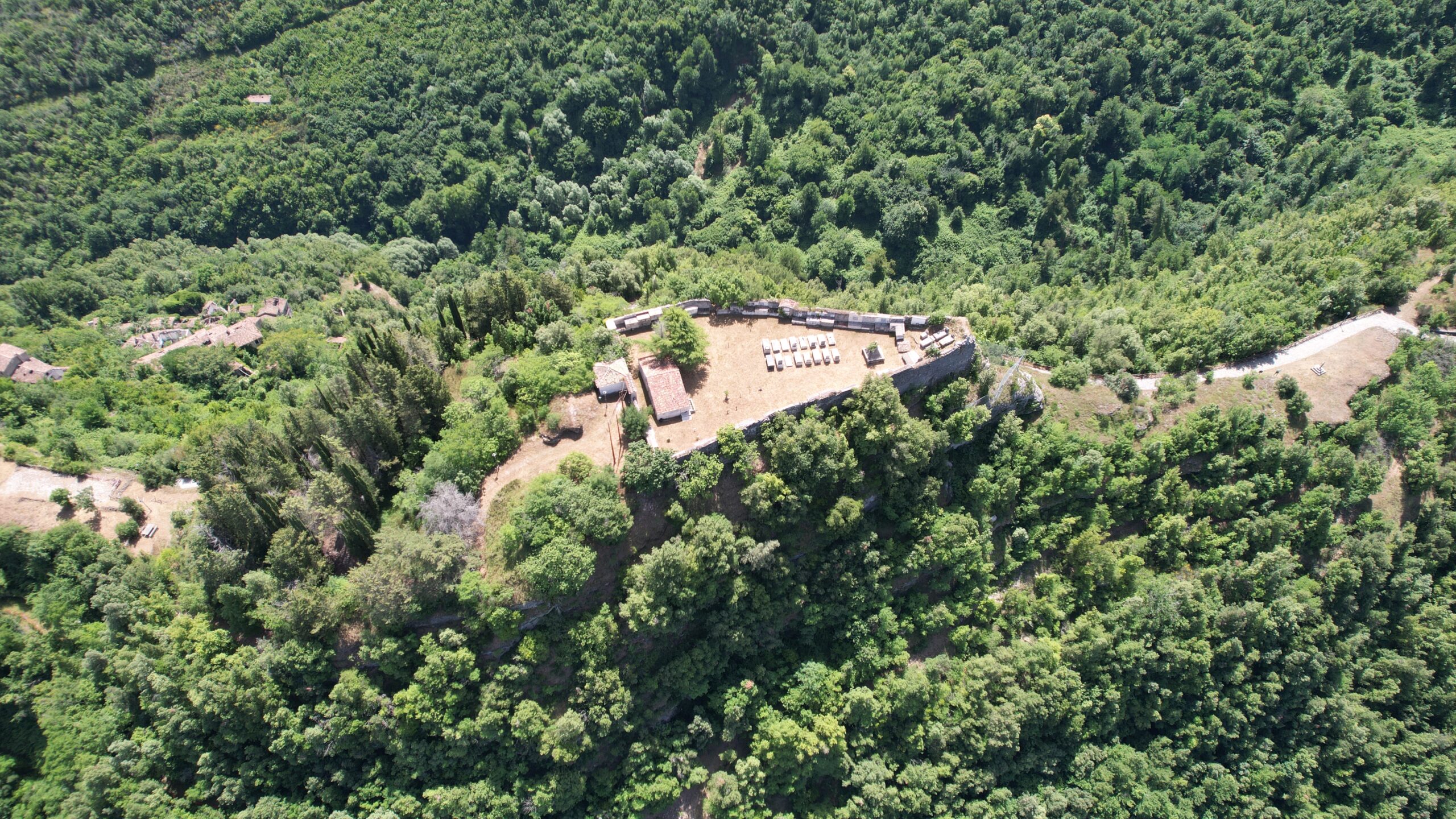
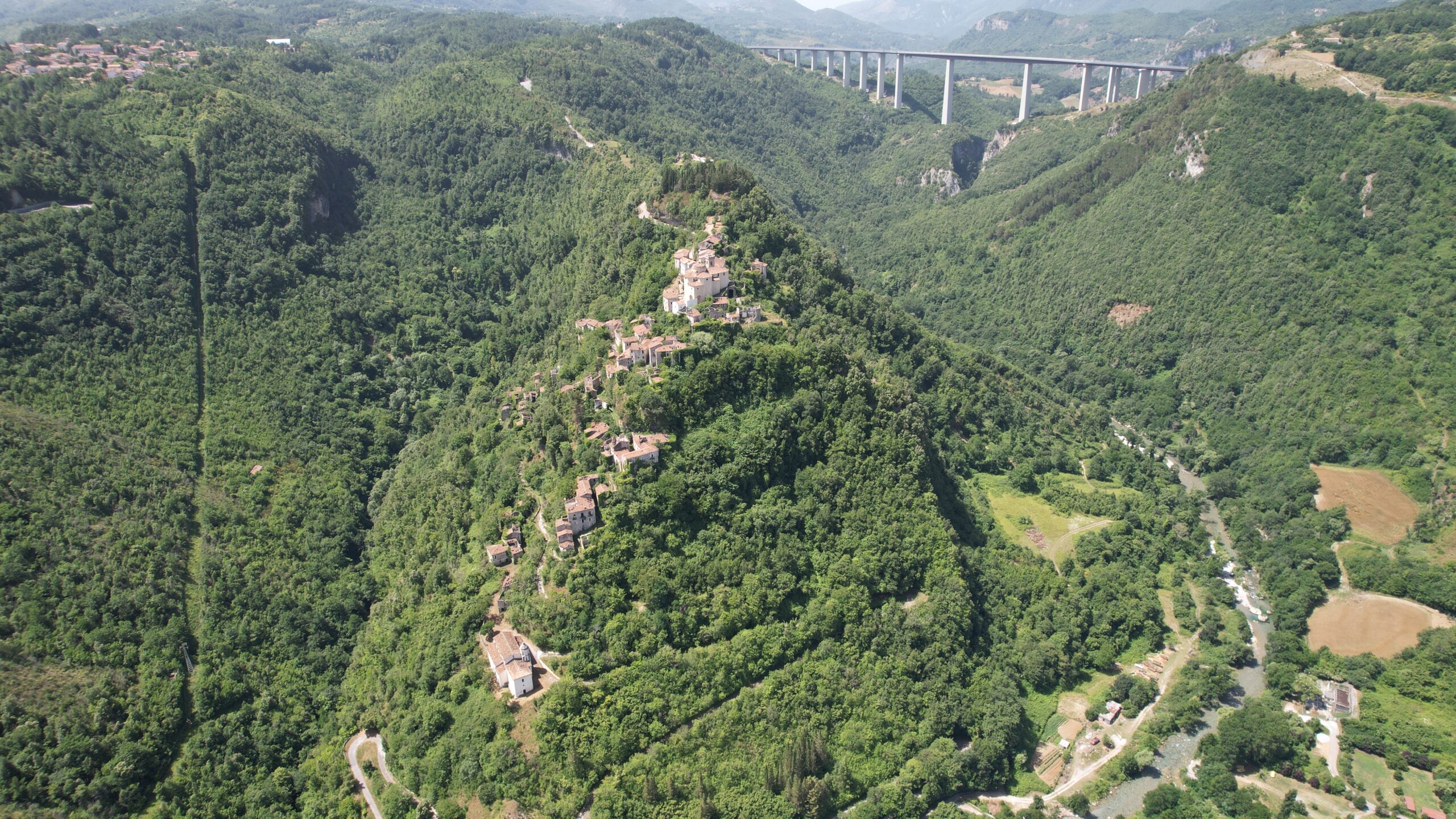
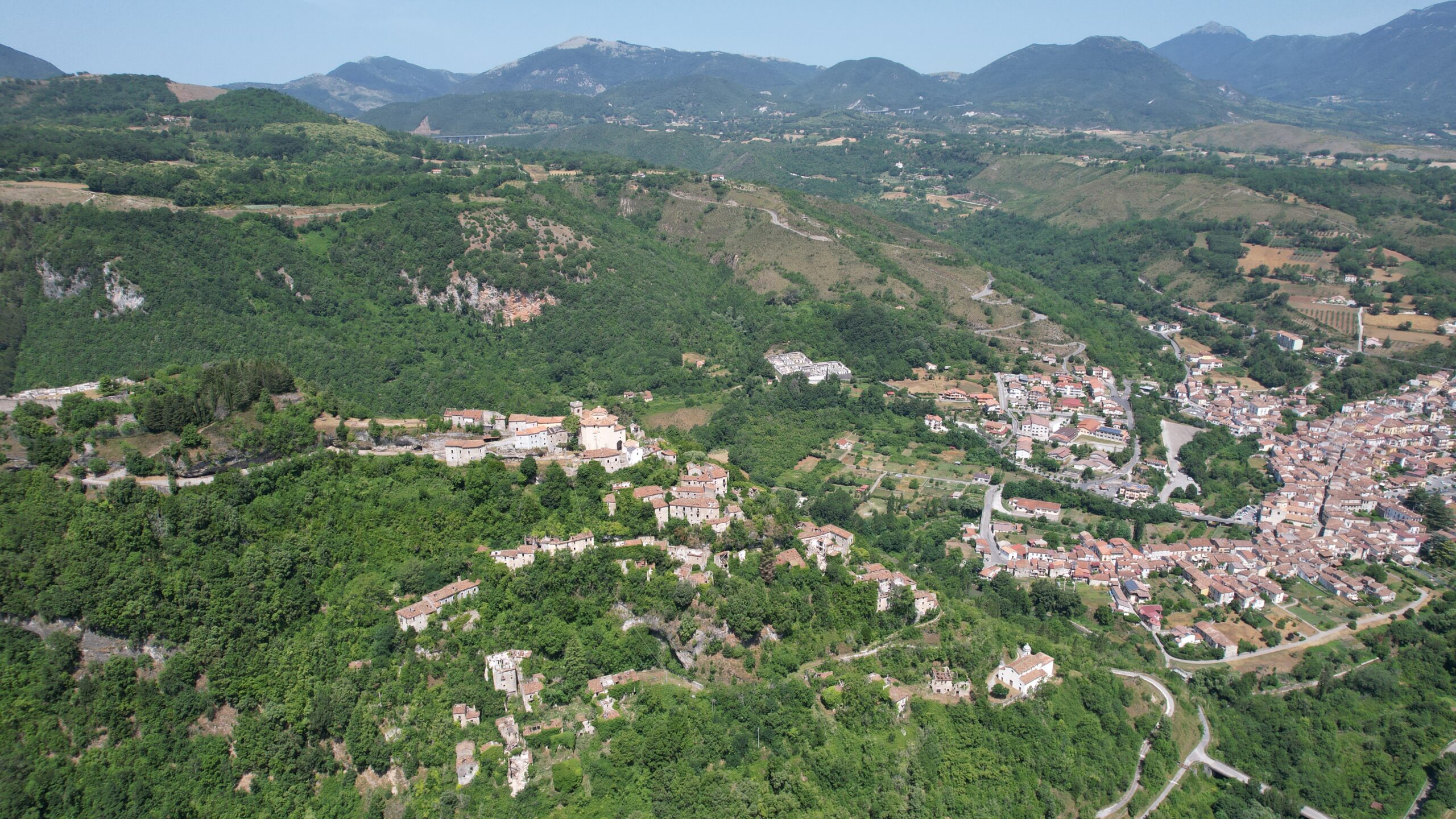


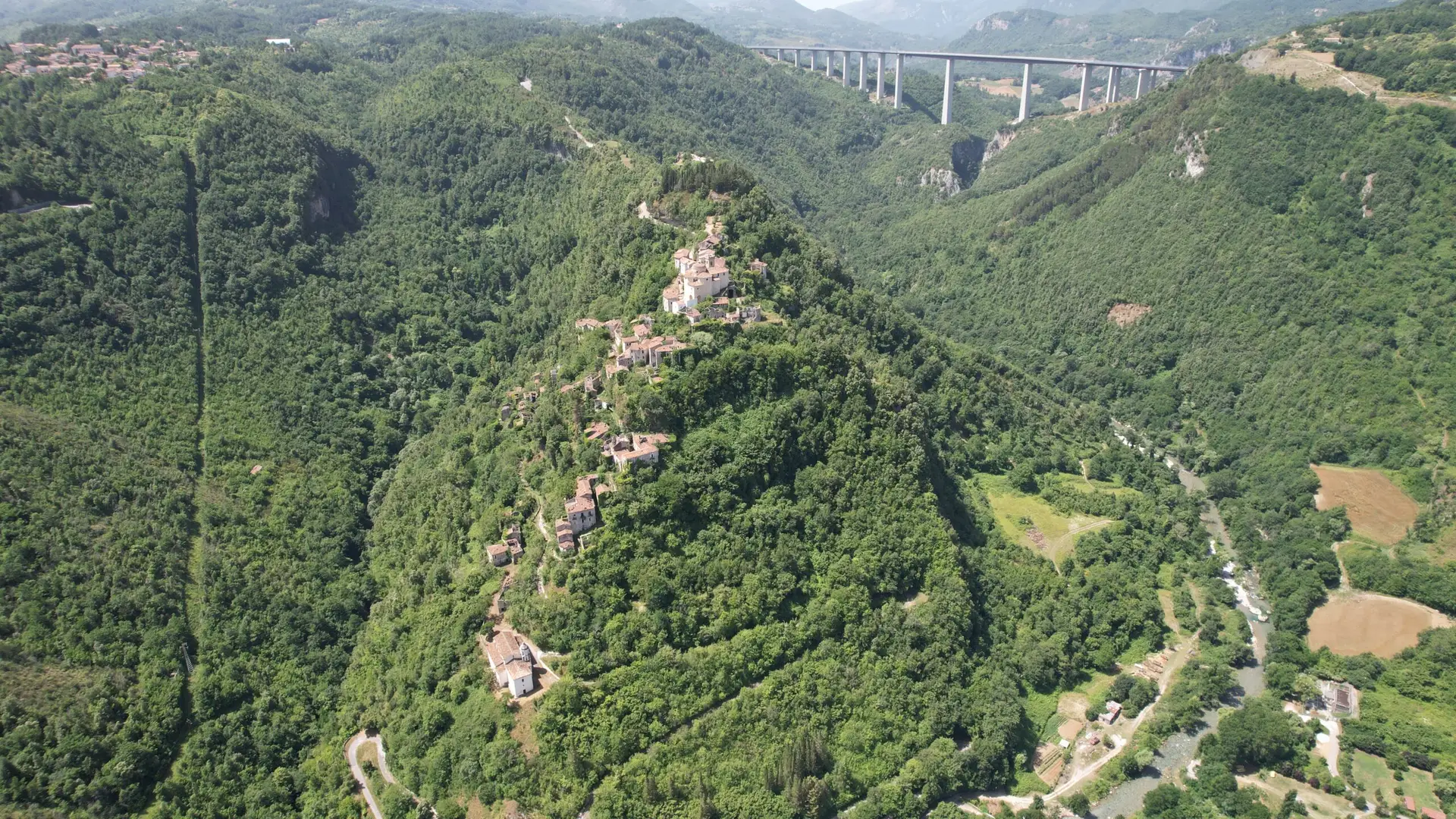
The historic center, where Laino Restoration_LAB is housed, presents a unique and evocative architectural ensemble. It is distinguished by several notable features and monuments: the Mother Church of Byzantine origin, dedicated to Saint Theodore Martyr; the bell tower; the remains and walls of the medieval Feudal Castle crowning the upper part of the hill; and the old houses cascading down the slope below. The buildings and pathways at the summit of the old town have been carefully restored, affording breathtaking vistas and an enchanting panorama. Much, however, remains to be done.
The abandonment and depopulation of rural areas is a global trend affecting vast regions in nearly all countries. In more developed nations, the situation is often exacerbated by population aging or the scarcity of employment. Yet rural territories possess immense resources and opportunities.
Laino’s historic center remains largely uninhabited, and numerous buildings require restoration. This ancient settlement thus constitutes an ideal laboratory for reflection on the conservation and enhancement of heritage—an opportunity to test ideas and techniques while caring for small-scale architectures that attest to an intimate relationship with nature, landscape, and the rural world.
The territory of Laino Castello bears millennia-old historical stratifications, among the most ancient in in Italy, as evidenced by archaeological finds documenting the presence of the Greeks and pre-Roman populations. Moreover, Laino is close to many important Southern Italy touristic, archeological and monumental sites such as Paestum, Napoli, Salerno, Padula, Matera, Bari, Alberobello, Lecce, Tropea. All of these destinations are within a two-hour drive.
Cities—especially in the Global South—face major challenges associated with extreme poverty, environmental degradation, and risks tied to climate change and natural disasters. At the same time, cities function as hubs of ideas, commerce, culture, science, productivity, and social, human, and economic development. The manner in which rural and peripheral areas plan for their future will determine their prospects. Urban and territorial planning; transport systems; water, sanitation, and waste management; disaster risk reduction; and access to information, education, and capacity-building are all essential to sustainable development.
Laino Restoration_LAB seeks to serve as a laboratory for caring for our planet: a place to learn restoration techniques; to recognize the value of nature and landscape; and to envision and plan sustainable solutions and futures.